By Anthony Neal Macri, Creative Director of Calabria Food Fest

Anthony Neal Macri is a growth and product marketing leader with 15+ years of experience scaling startups and global digital brands. He is Creative Director of the Calabria Food Fest, blending strategy, storytelling, and culture to drive growth.
In an era shaped by convenience and globalized supply chains, one of the most meaningful food movements isn’t happening in high-end restaurants or research labs. It’s taking root quietly — in home gardens, balcony pots, and community plots. Growing food at home has become a powerful way to reconnect with flavor, nutrition, and cultural memory.
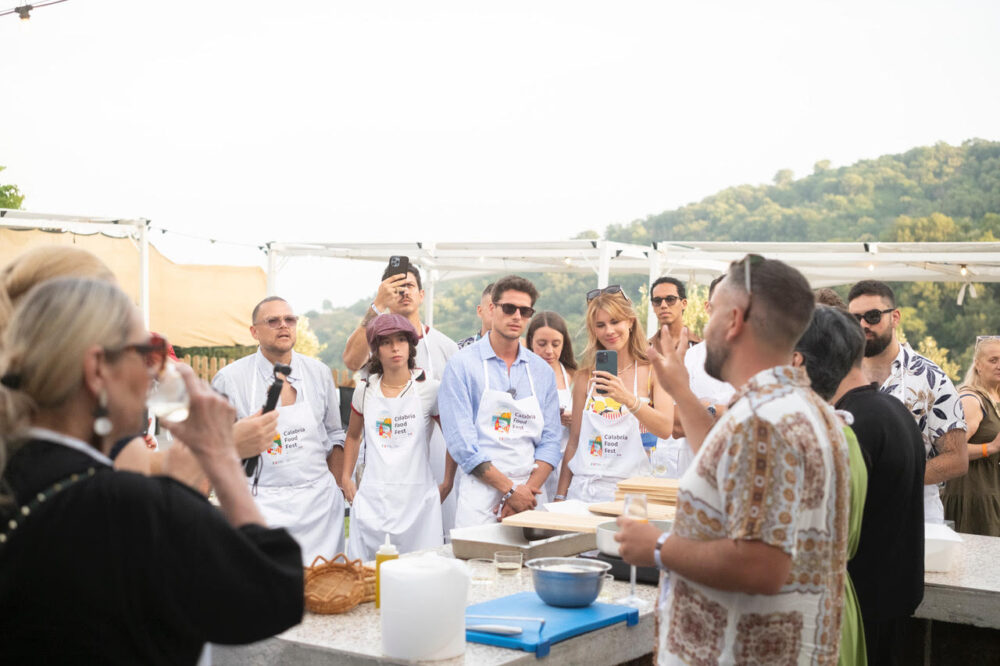
At its core, this movement intersects local food, sustainability, nutrition, food science, and culinary heritage — themes that guide much of my work as Creative Director of Calabria Food Fest, an annual gathering dedicated to preserving and reinterpreting Southern Italy’s food traditions through contemporary lenses.
Food Culture Begins At Home
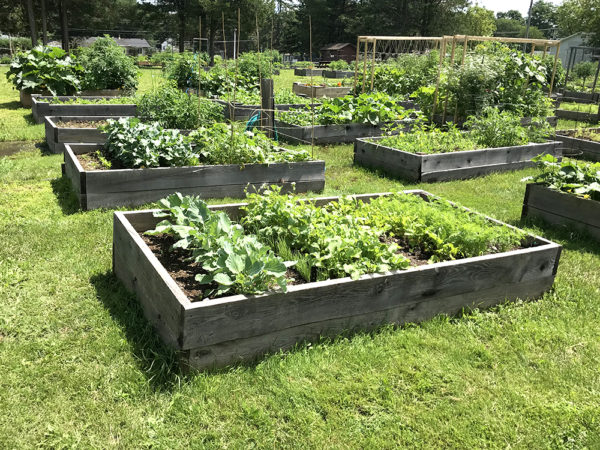
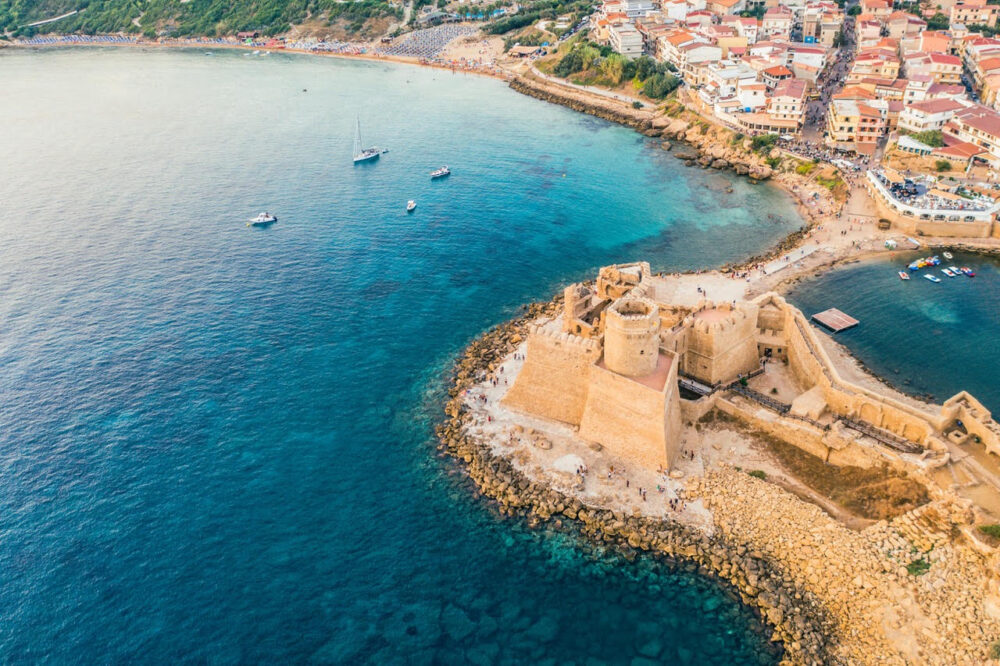
Before food became a product, it was a relationship. In Calabria, one of Italy’s most agriculturally rich regions, the home garden — l’orto di casa — has long shaped daily cooking. Seasonal vegetables dictated menus. Herbs grew steps from the kitchen. Recipes evolved around what the land provided, not the other way around.
This way of eating is inseparable from the Mediterranean Diet, recognized by UNESCO as Intangible Cultural Heritage of Humanity — not only for its nutritional benefits, but for the cultural practices, communal rituals, and intergenerational knowledge it preserves. Homegrown food is a living extension of that recognition, keeping tradition active rather than archived.
At Calabria Food Fest, many conversations start not with chefs, but with growers — families, farmers, and artisans who understand that food culture survives when it’s practiced daily.
Learning Food Science by Hand
Growing food offers a hands-on education in food science. Soil health, sunlight exposure, water balance, and harvest timing all directly affect taste and nutritional density. When you grow a tomato yourself, you see how ripeness influences acidity and sweetness — lessons no label can teach.
Scientific research confirms what traditional growers have always known: produce harvested at peak maturity contains higher levels of antioxidants, vitamins, and flavor compounds. This understanding informs how we design educational tastings and workshops at Calabria Food Fest, where participants explore how growing conditions influence cooking techniques and ingredient pairings.
Home gardeners become intuitive food scientists — observing, adapting, and learning through experience.
Nutrition That Doesn’t Travel Far
One of the most overlooked truths about nutrition is how quickly it fades. Vitamins like C and folate degrade rapidly after harvest. The shorter the distance between soil and plate, the more intact those nutrients remain. That’s the power of the kitchen garden.
Homegrown produce doesn’t just taste better — it supports healthier eating patterns because it encourages seasonal cooking, simpler preparations, and mindful consumption. These principles are echoed throughout the Mediterranean food model and reinforced at Calabria Food Fest through demonstrations that emphasize minimal intervention cooking — letting ingredients speak for themselves.
Sustainability at a Human Scale
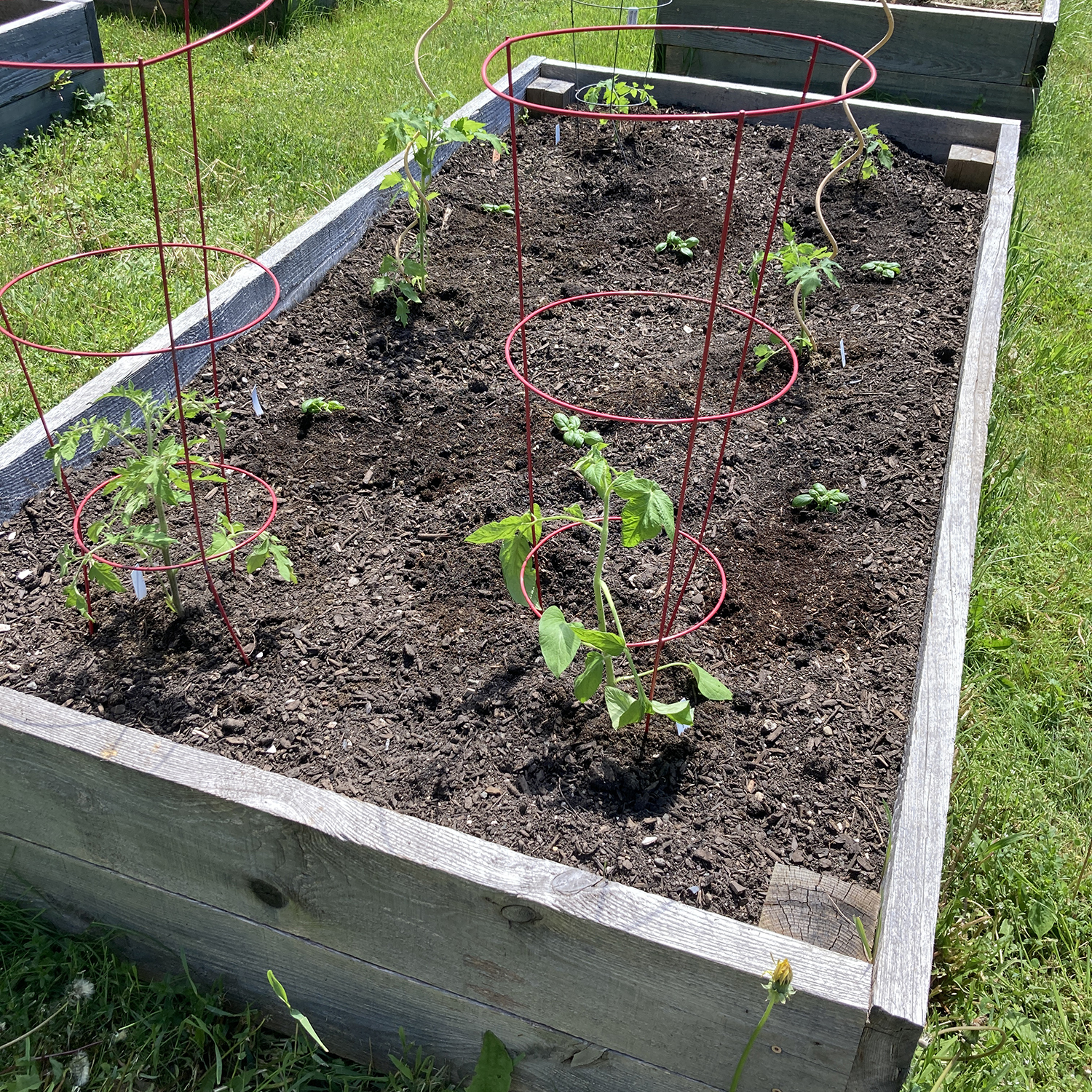
Sustainability often feels abstract, but growing food makes it tangible. A pot of herbs on a windowsill reduces packaging waste. A backyard garden lowers dependency on long-distance transportation. Even small-scale growing like container gardening fosters awareness of water use, biodiversity, and soil regeneration.
Many of the sustainability-focused conversations at Calabria Food Fest revolve around scale — how individual choices, when multiplied across communities, reshape food systems. Home gardens are not a replacement for agriculture, but they are a powerful complement, restoring agency to the eater.
Rediscovering Heirloom Ingredients
Home growing is also reviving interest in heirloom varieties — seeds selected for flavor, resilience, and cultural significance rather than uniformity or shelf life. In Calabria, many of these varieties were nearly lost, preserved only through family gardens.
Today, these same ingredients are resurfacing as food trends precisely because they offer something modern supply chains cannot: identity. At Calabria Food Fest, seed exchanges and heritage ingredient showcases remind us that innovation often begins with preservation.
Cooking Tips Inspired by Home-Grown Food
- Harvest with intention: Early morning picking preserves aromatic oils and crisp texture.
- Respect freshness: Use gentle washing and breathable storage to avoid nutrient loss.
- Cook simply: Light sautéing, steaming, or raw preparations honor both flavor and nutrition.
These techniques don’t require professional kitchens — just attentiveness.
Food as Living Heritage
UNESCO’s recognition of the Mediterranean Diet reminds us that food culture isn’t defined solely by what we eat, but by how we grow, prepare, and share it. Home gardening transforms cooking from consumption into participation, anchoring modern life in ancestral wisdom.
At Calabria Food Fest, this philosophy shapes everything we do — not as nostalgia, but as a forward-looking model for sustainable, meaningful food systems.
Growing food at home isn’t a trend. It’s a return — to flavor, to health, and to the cultural roots that quietly sustain us.