From cereal to proteins, vegetables to snacks, the cost of eating is up. Here's how to save money on groceries in 2025.

When I stroll through the meat section of our local grocery store, I find myself choosing less and less. Likewise, I am putting back certain ingredients in favor of improvising or omitting as costs rise. Do more with less has been my mantra.
The bill at the grocery store is rising — for everyone. According to the U.S. Bureau of Labor Statistics’ Consumer Price Index, the cost of food has risen 2.6% over the last year overall. But when you drill down further to the cost of groceries, the reality is stark. While food costs have risen across the board, the costs of meats, poultry, fish and eggs stand out for their 7.7% increase. That represents proteins that many Americans, including my own family, rely on.
On a more personal level, I'm buying fewer proteins, stretching meals further and finding ways to cut corners whenever possible. At the same time, I am also shopping smartly — stocking up in sales to ensure that nonperishables remain in our cabinets for longer.
This is hardly the first time my neighbors and I have weathered a cost-storm like this.
In 2020, when I was a senior editor at a daily newspaper in Maine overseeing unexpected and alarming coverage that took on a more serious tone daily, I found myself asking absurd questions of my reporters every morning during our daily check-in meeting.
What do people use if they can't find vanilla extract? What happens when they run out of flour? What can they substitute for eggs in cooking? What can they use instead of toilet paper?
It was a dark time. And as someone who had written about food for more than 15 years, my knowledge came in handy as we brainstormed stories, fact-checked information and aimed to demystify what we could in a dark, dark time. It feels like we're in a similar place now.
That's why I want you to know that everything I wrote about in 2020 in my primer called "7 Ways to Save on Groceries Right Now" is still true. Those are tried-and-true tips that are always helpful to shoppers who want to spend less.
But this time is different. This time, we can't just substitute. We have to change. So I wanted to share some additional, time-specific tips on how to save money on groceries in 2025.
Eat A Lot More Vegetables

Vegetables, which you can purchase or grow, haven't increased in cost. In fact, according to the Consumer Price Index, vegetable prices are slightly down. From a wallet standpoint, veggies are a good value. But that's not all. They are also excellent for your health (might as well have a fringe benefit, right?).
So eat more veggies. But how? Well-cooked veggies are a joy. Stir-fried asparagus with almonds. Spicy cajun roasted cauliflower. Robust salads with homemade shallot vinaigrette. And don't forget the potatoes too. Perhaps some roasted two-cheese fingerling potatoes?
Heck, you could even considered growing your own veggies? This is another smart way to cut the grocery grill — and eat better too.
Edited to Add: As of April 4, vegetable prices are expected to increase in grocery stores due to tariffs. Stocking up on frozen veggies now as well as shopping locally at farmers markets and growing your own vegetables will help keep your vegetable costs down as this happens.
Eat Less Meat, Seafood, Poultry and Eggs
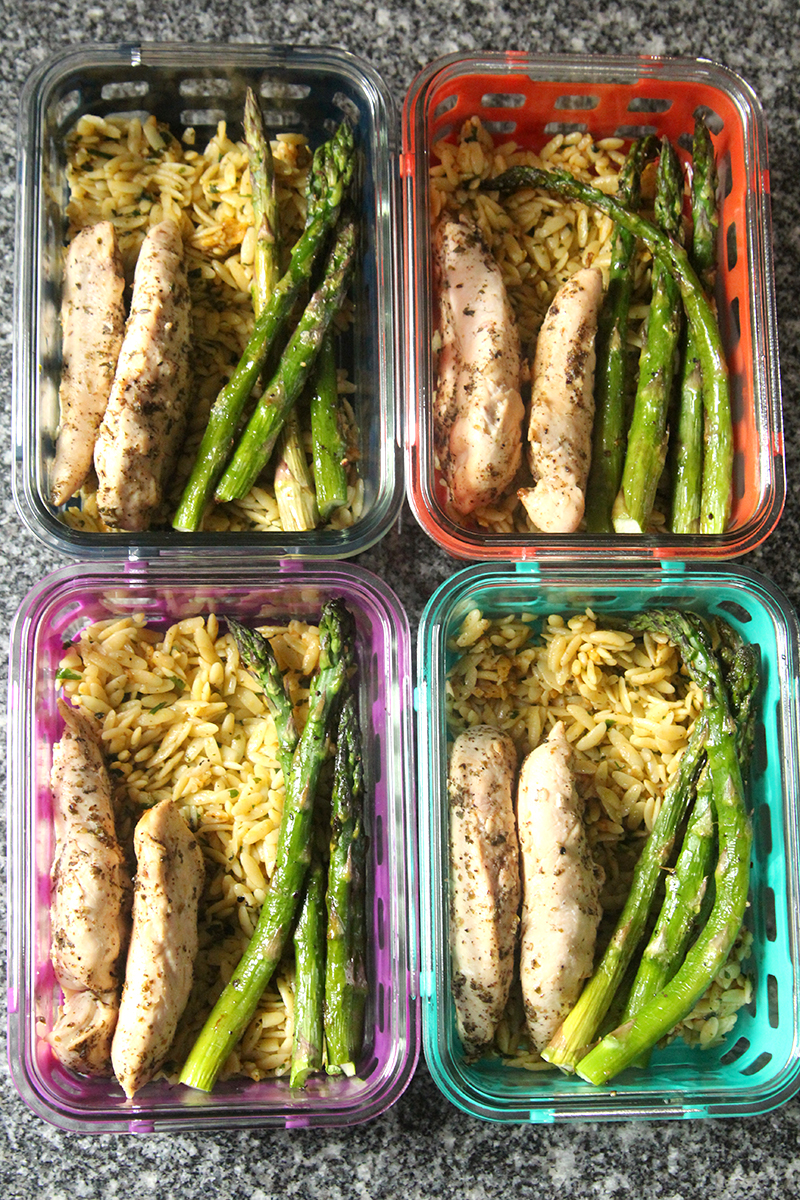
If you eat meat, seafood, poultry and eggs as your proteins, rethinking how much you are cooking and eating. With the cost of these proteins on the rise, you can cut back on portion sizes while still enjoying the foods you like.
To be clear, I am not suggesting that you cut meat, seafood, poultry and eggs out entirely. Instead, I am suggesting that you cut back on how much you make and consume. For instance, if you are making chicken, use ¾ lb (or 12 oz) for 4 servings instead of a full pound. Since you're bulking up on veggies, the slight change in meat consumption -- about 1 oz less per person -- won't feel so significant as you are eating.
This will stretch your proteins further while skimming back on costs.
Eat More Beans and Tofu
Open to exploring more proteins? Classic plant proteins like beans and tofu remain affordable alternatives and can make some really delightful meals. Opting for plant proteins for even one meal a week will reduce your grocery costs.
What does this mean in terms of actual recipes? Tomato lentil soup is a delight. Black bean veggie enchiladas rotini one-pot pasta is so satisfying. And don't sleep on Spinach Pesto Vinaigrette Orzo. It's divine.
Tofu is great marinated. Try it in stir-fries, wraps and so much more.
Stock Up With Sales

This is one of those pieces of advice that's always valid: Shop the sales and stock up. Flour, chocolate chips and sugar often go on sale in November and December, for instance. Picking up an extra corned beef just before St. Patrick's Day can mean enjoying corned beef at later parts of the year. Last summer, I happened upon a great sale on pasta and bought enough to sustain us for months. We're still eating through the stash.
If you develop the stock up mentality and have the income to do so, it can become a money saver over time.